
Turn-Based Strategy
Play a game built on systems
No graphics budget. All mechanics.
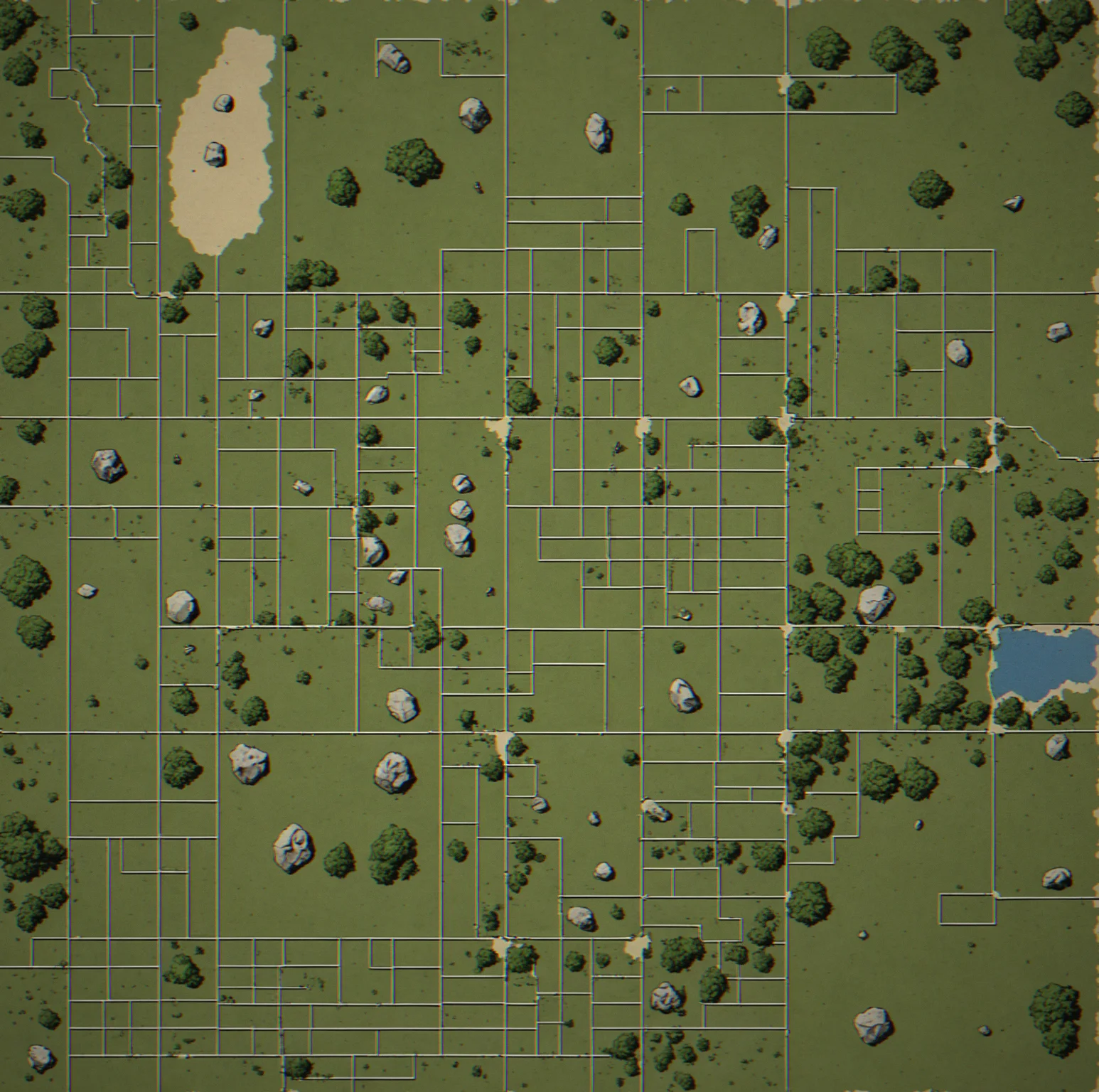
MarketPlain runs in your browser with ASCII visuals and procedural maps. You manage resources, position units on a grid, and execute strategies that actually matter because every decision has a cost. Replayable. No grind. No narrative gates. Just systems that respond to what you choose to do. It works on older browsers too. Scarcity forces depth. Depth breeds mastery.
How it works
Turn-based decisions, no luck involved
Everything you do has a cost. Spend turns, burn through resources, lose ground. You might send workers out to farm or train soldiers instead. Maybe you build fortifications or ramp up what you're producing. Units move around a grid one squuare at a time. Nobody acts until you finish your turn and lock it in. Opponents move at the same time as you, or one after another if you flip the mode. Fighting doesn't use dice. There are no hidden numbers. If your guy has 5 health and fights someone with 3 in hand-to-hand combat, you can see exactly how it ends before you swing. That's what makes it work.
The real puzzle is that you never have enough. Grain keeps your people alive but takes forever to harvest. You've only got so many workers and they can't be two places at once. Every soldier eats grain every single turn. You're constantly saying no to something and those refusals shape everything that happens next. Where you put your walls changes what your archers can see. One garrison in the wrong spot can strangle your own army. You get familiar with these limits, learn to work inside them and that's where the game lives.
20
around 20 minutes for a complete run on normal
8
different resources you're juggling
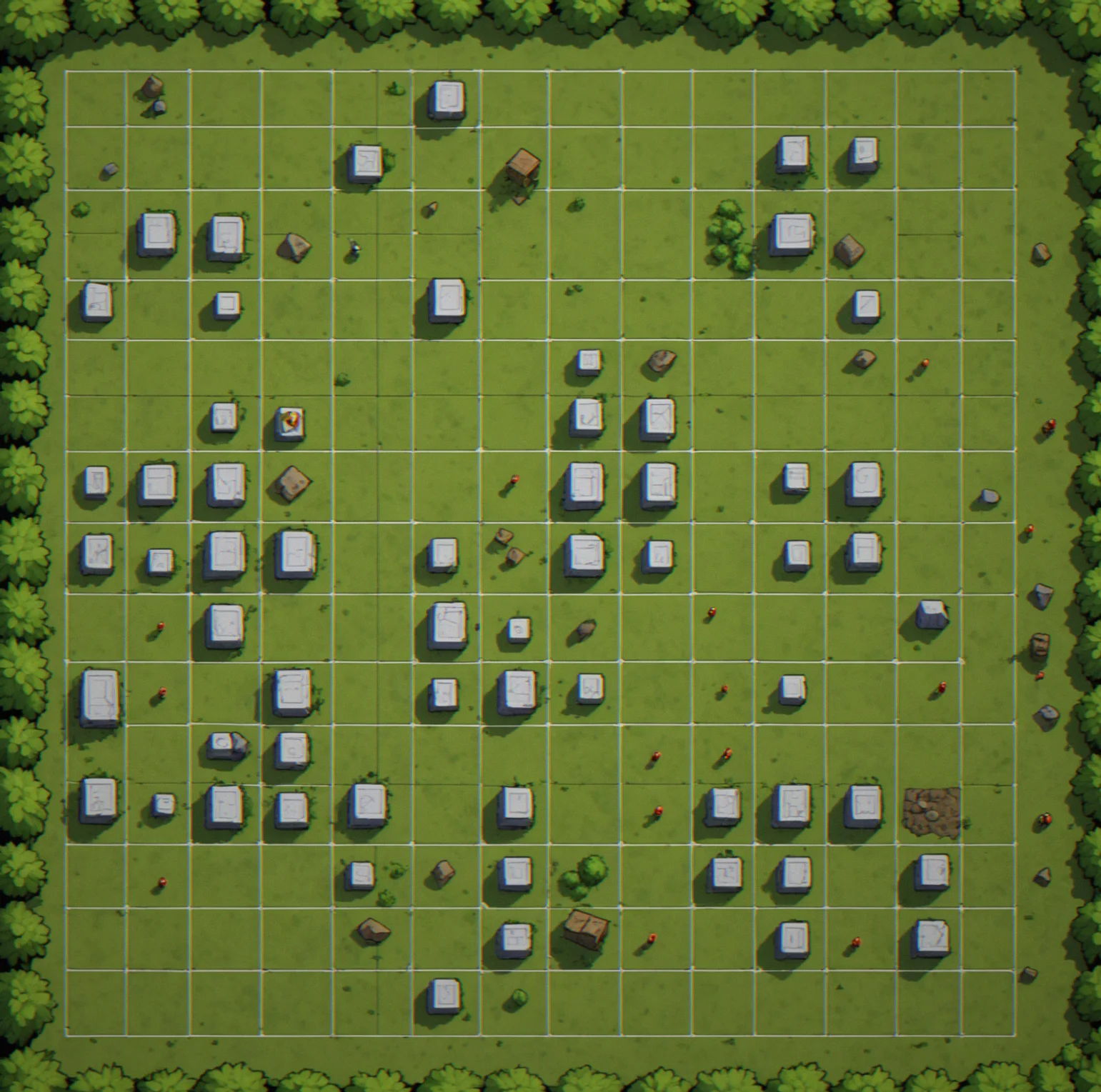
Grid battlefield with unit positions shown as ASCII characters, walls drawn as hash marks, resource piles marked with asterisks

Resource screen showing grain amounts, how many workers you've assigned, and what turn you're on, all in that old monochrome look
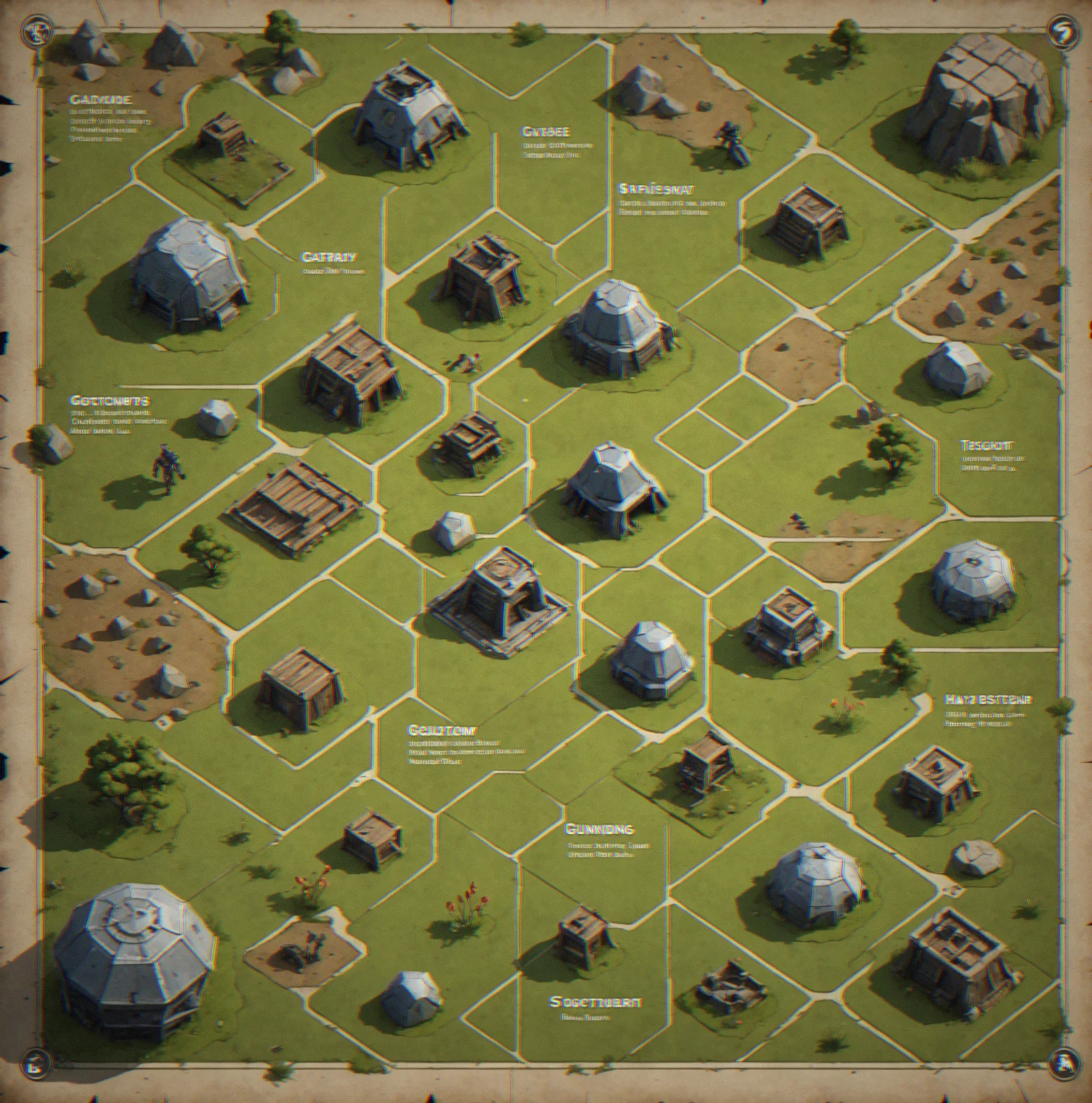
Combat log listing what Damage got dealt, what movement cost, and the order everyone acted in
In-game screenshots
ASCII maps, resource screens, unit positions. You're staring at this for 20 to 90 minutes a session. There's no cutscenes or story moments. Just what's happening right now.
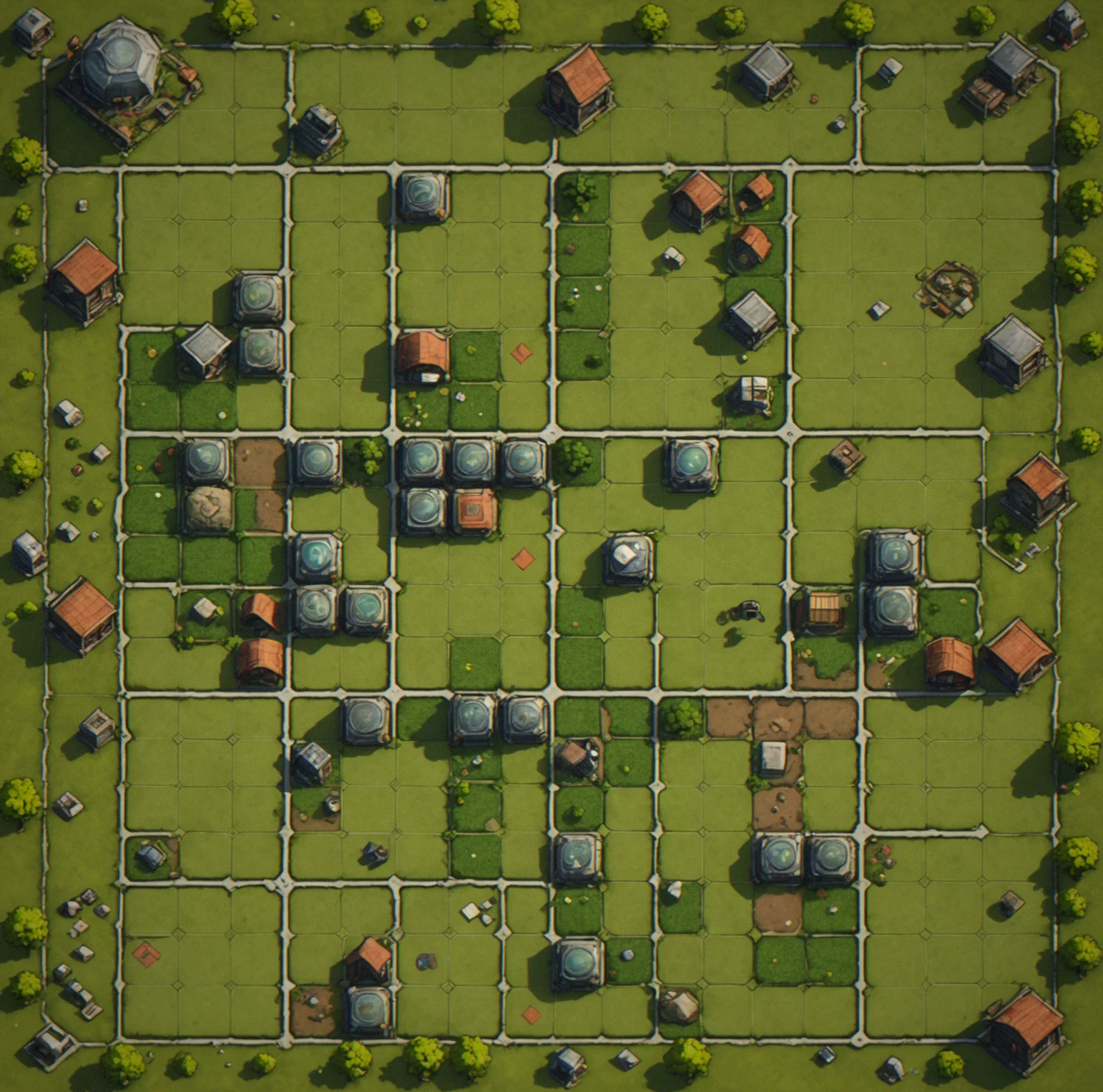
Overhead tactical map showing your settlement with plus signs, rival factions as letters, and resource nodes spread across green tiles
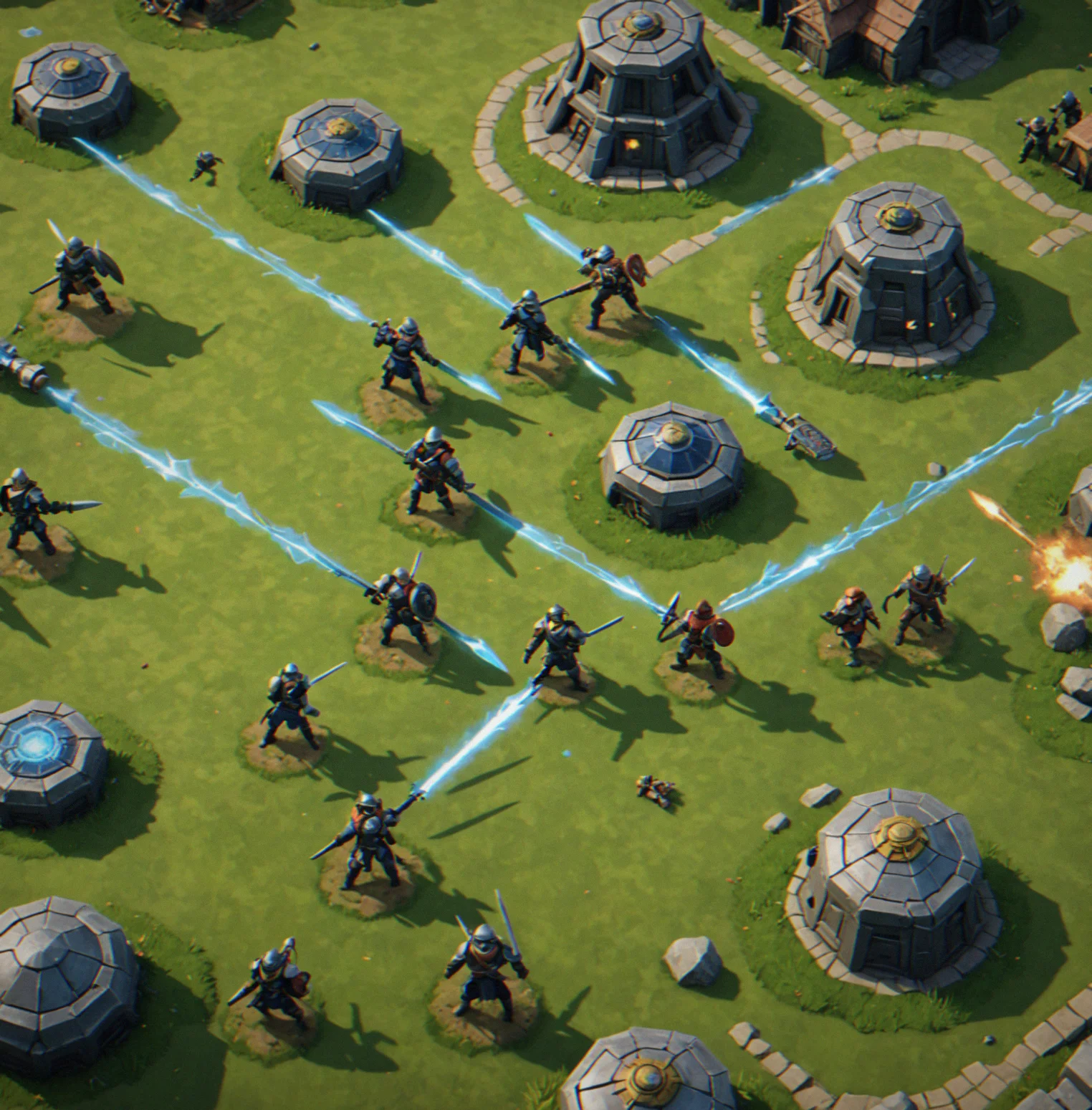
Close-up of combat with melee units lined up against enemies, damage numbers floating above everyone, turn order shown at the bottom
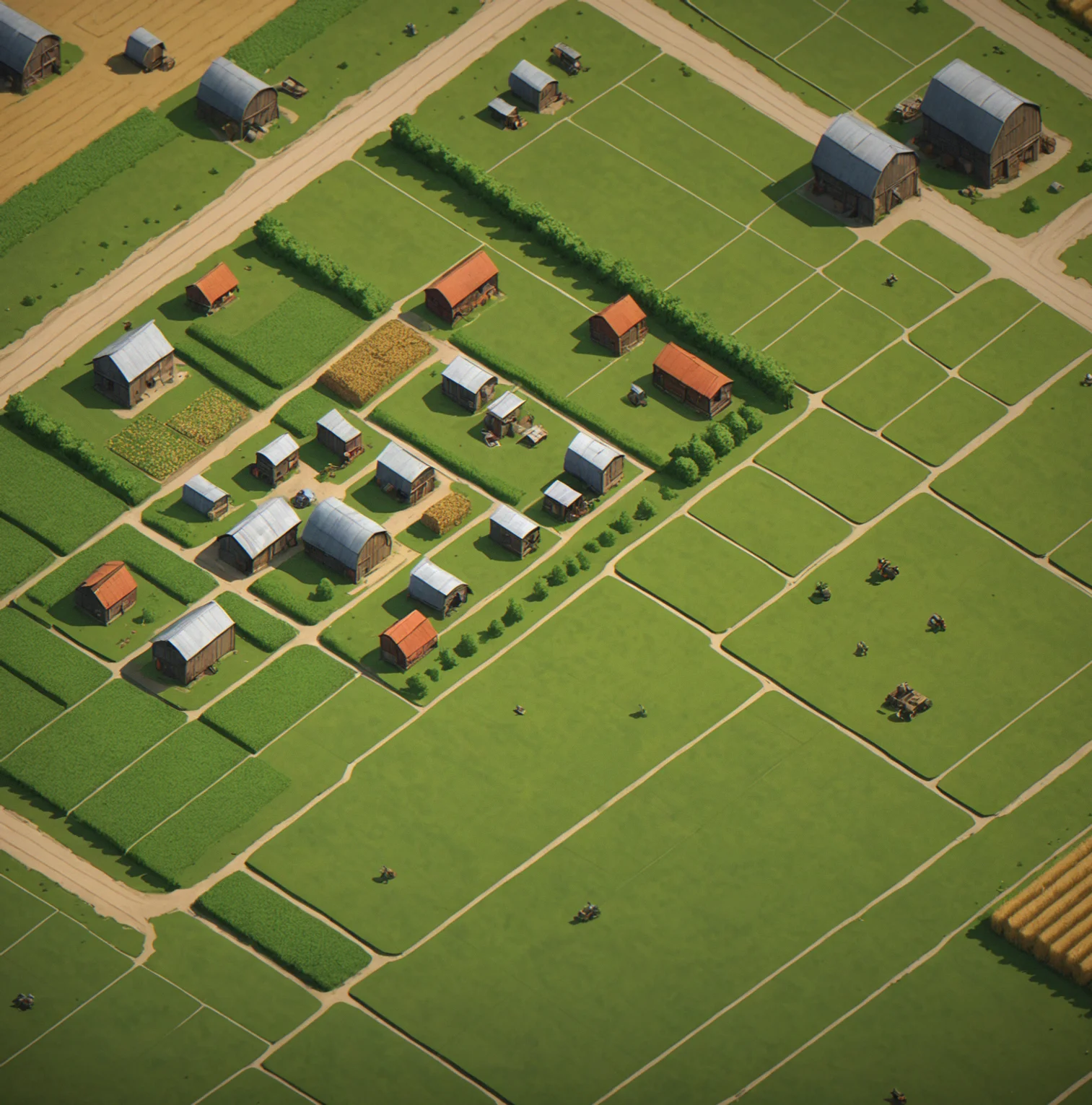
Resource panel with grain stores, labor split between farming and military, wall building queue, and how fast your population grows
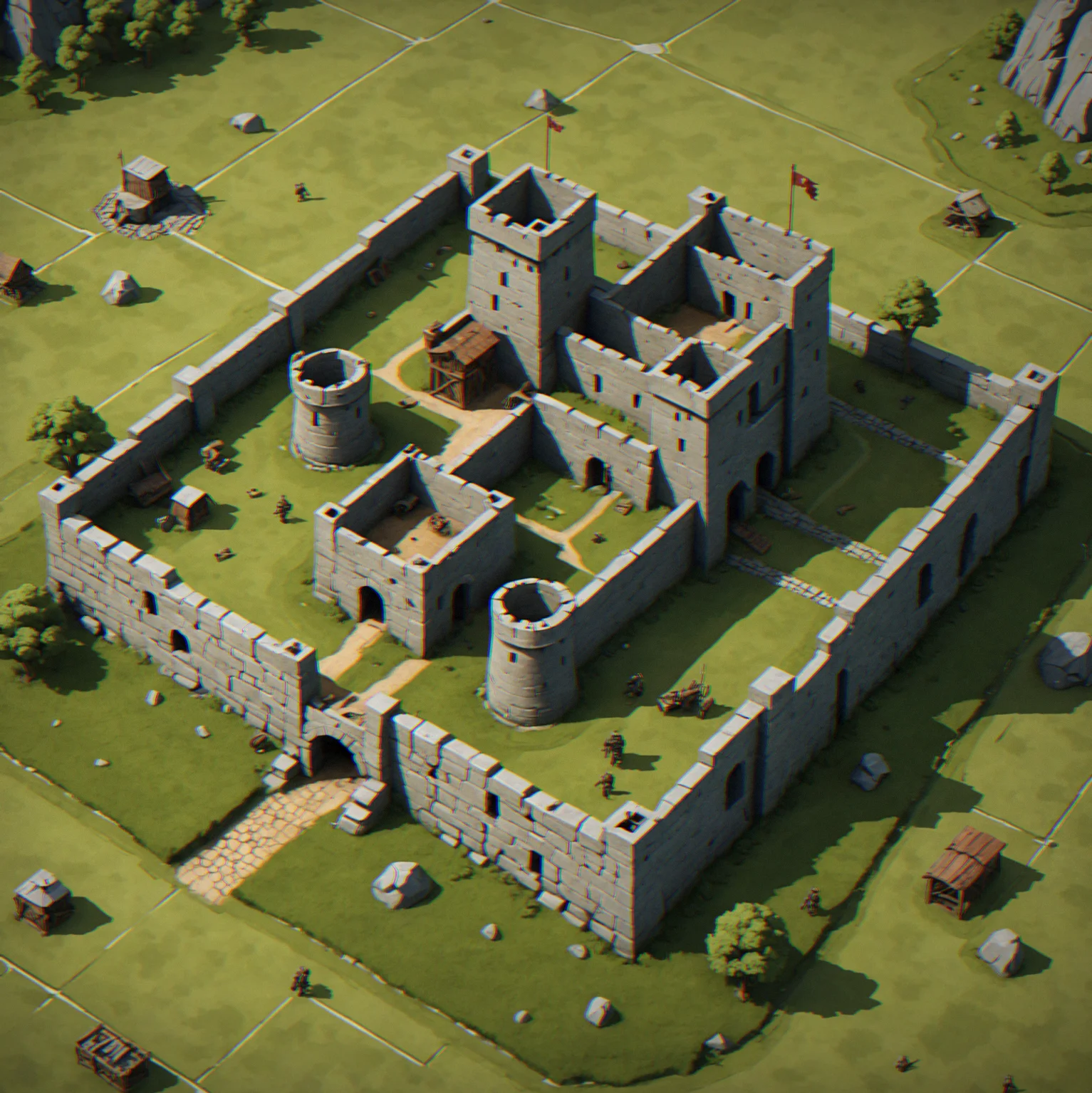
Fortress design with walls creating kill zones, watchtowers marked by brackets, granary and barracks tucked behind the defenses
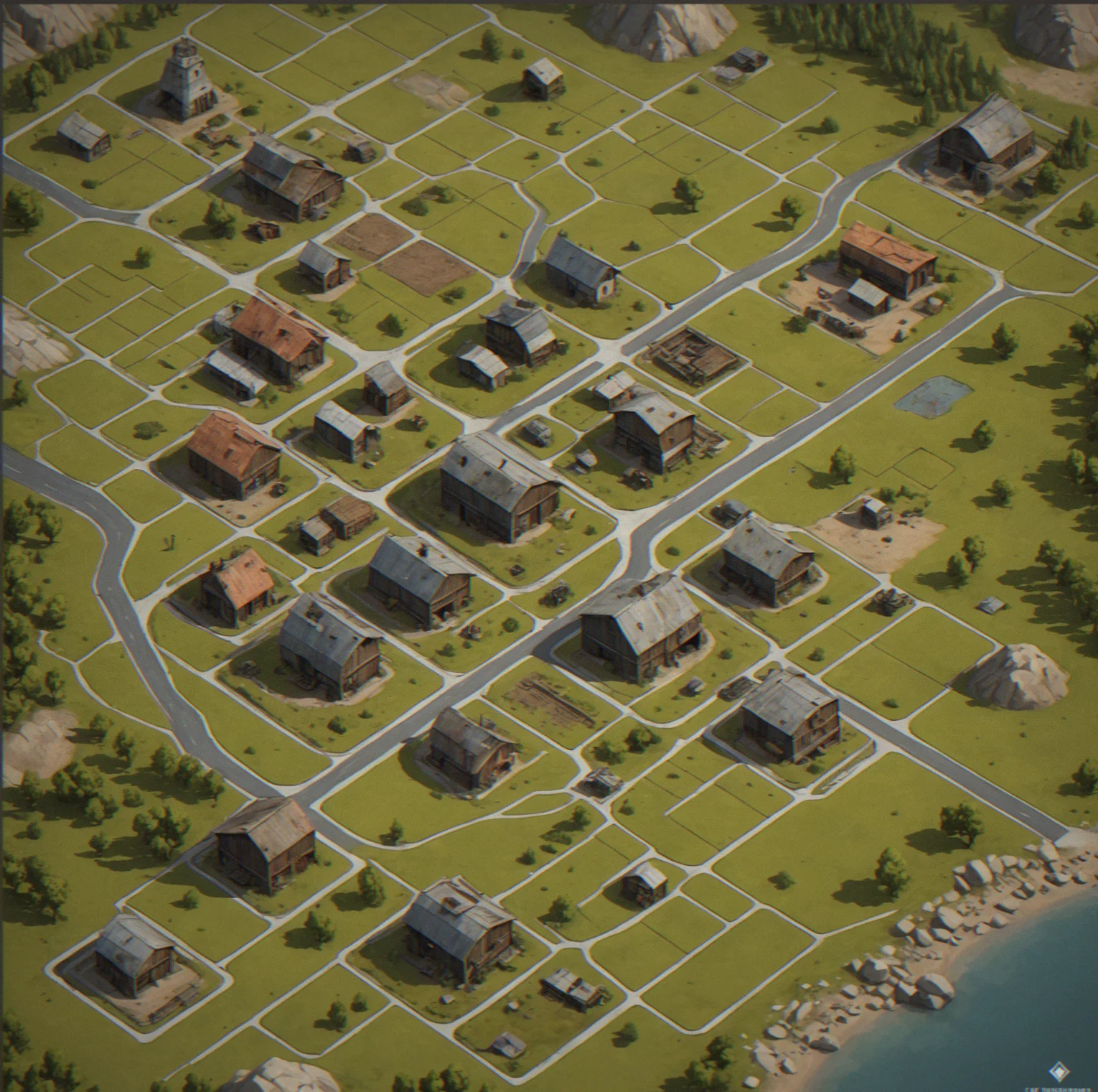
Three settlements mid-expansion connected by roads, old mining areas picked clean, new territory opening up
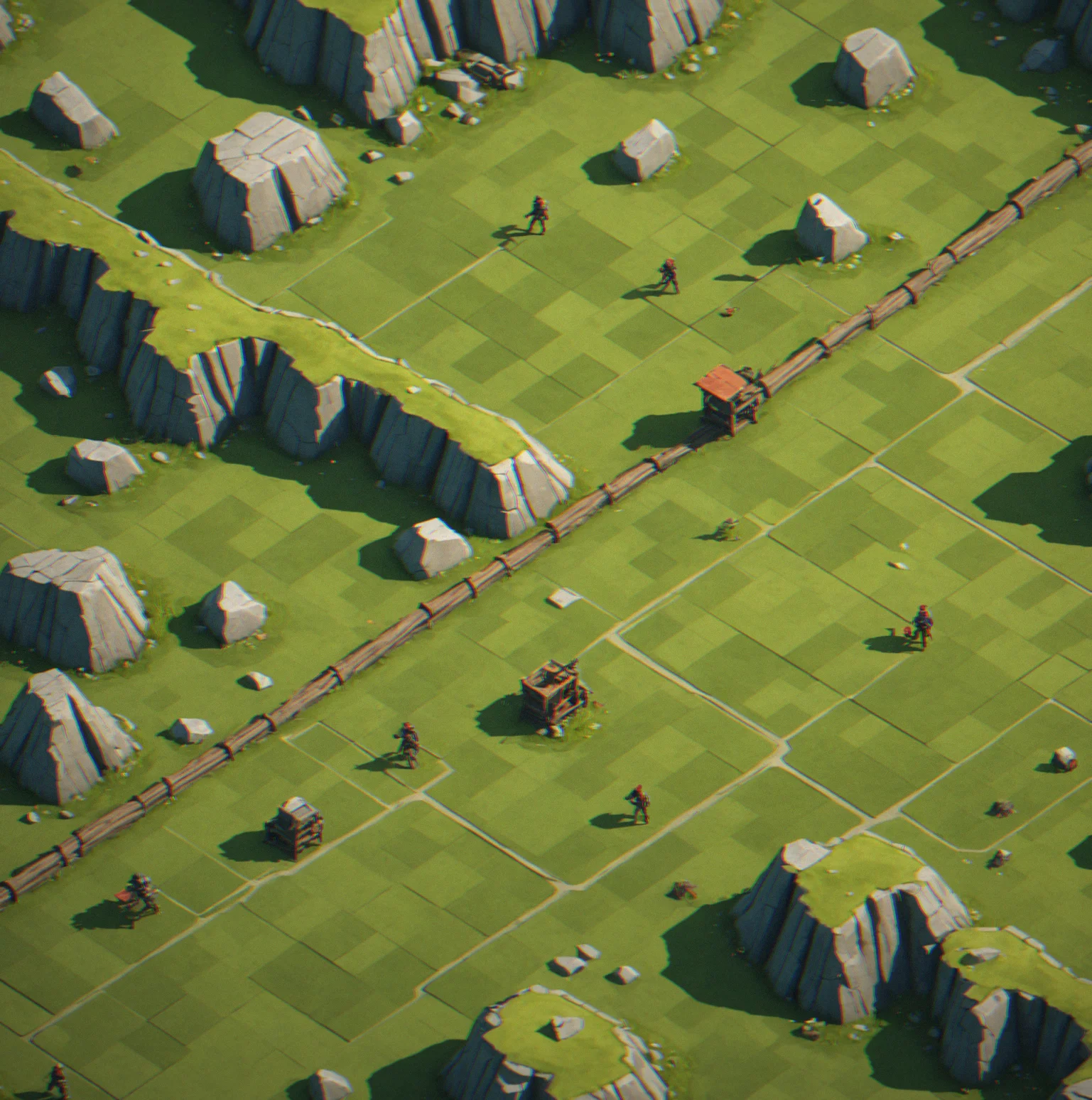
Turn log showing what you decided, where rivals moved, what resources came in and went out, and what you're supposed to do next
End of gallery transmission
SYSTEM FEATURES
Deterministic combat
No dice rolls or hidden stats hiding in the background. You figure out exactly what's going to happen before you commit to a fight. Your unit has 5 health, the opponent has 3 in melee range—you know the outcome before it plays out.
Procedural and hand-crafted maps
Start a new run and get a completely different layout, or load up a specific scenario you want to tackle. The procedural generation actually creates varied problems instead of just shuffling the same puzzle around.
Runs in any browser
No installation, no launcher, no account (though you can save to the cloud if you want). Just open the page and start playing. Works fine on a laptop, desktop, tablet—anything with a keyboard and a screen really.
Scarcity as core design
Grain feeds your people but needs time to grow. You can't have your workers doing everything at the same moment. Military units cost resources every single turn. These constraints force you to make real choices, and when things go wrong, you learn faster than you would from winning.
Grid-based positioning matters
Where you place walls changes what your ranged units can see. How tightly your units bunch together determines how many enemies you can actually fight at once. The map layout matters way more than just stacking up damage numbers. Position badly and you'll end up boxing in your own forces.
High replayability, no grind
A typical session takes somewhere between 20 and 90 minutes depending on what difficulty you pick. Nothing locks you out of content or makes you grind through story gates. Every ruleset and seed is available from the start. You get better at the game by playing it over and over, not by unlocking new stuff.
Design philosophy
Why you'll keep coming back to this
50
Possible rulesets you can toggle on and off
40
Average turns before the game ends one way or another
6
Difficulty levels ranging from fair to punishing
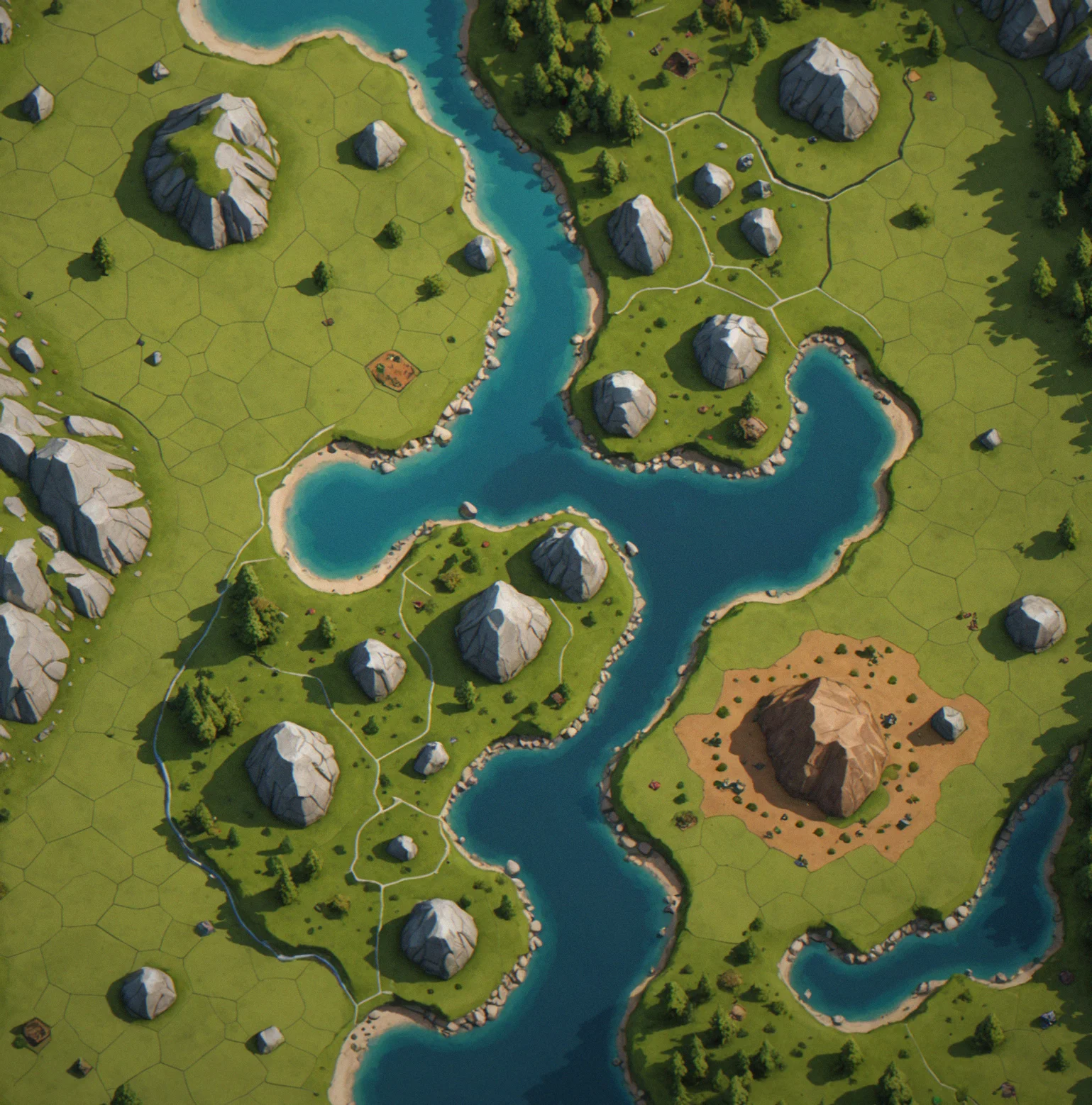
Each seed builds a different map with ore scattered in completely different spots. Sometimes deposits cluster right next to where you start, which lets you expand early. Other times they're spread across the whole map, so you're stuck choosing between distant rich nodes or weak stuff nearby. The generation follows patterns rather than just throwing things around randomly. You start to see how it works and adjust your game plan based on what you're looking at.
Rules on top of that push variation even further. Flip harsh winters and grain production tanks by a third every eight turns. Flip nomadic enemies and rival factions can move their base once. Flip rich ore and you don't need walls as much because you'll have more units. Same game, totally different winning approaches. A single strategy won't cut it — you have to actually look at the board or you're going to lose.
Runs are fast enough to stack one after another. Lose in twenty minutes, or take an hour if you're going deep. Then load a fresh seed or change the rules. Nothing blocks your progress. No story to unlock. No skins to farm. You play because the systems reward actually getting better at it.
Procedural generation
Maps change every time. Resource placement, terrain, and rival positions shift with each new seed.
Configurable difficulty
Jump in at Normal or go straight to Brutal. Tweak individual mechanics to make the game harder or easier.
Fast session loops
Lose in twenty minutes and you're ready for the next run. Sessions are short enough to chain together.
Emergent interactions
The same rules play out differently depending on the map, ruleset and where enemies spawn.
No content gates
Everything is available from turn one. You don't have to grind to unlock features.
Learning without frustration
Each loss teaches you something specific about positioning, timing, or managing resources. Different seeds teach different lessons.
Common questions
FAQ
Straight answers about how the game works, what to expect, and whether it's worth your time. No marketing spin.